

Exploring the cultural influence of casinos on modern society
The Historical Context of Casinos
Casinos have a rich history that dates back centuries, with roots in ancient cultures where games of chance were often played for entertainment. In places like Italy and France, gambling became formalized with the establishment of casinos in the 17th century. These venues not only provided games but also served as social gathering spots, influencing the cultural fabric of society. The evolution of casinos has mirrored societal changes, reflecting shifts in attitudes towards gambling and leisure.
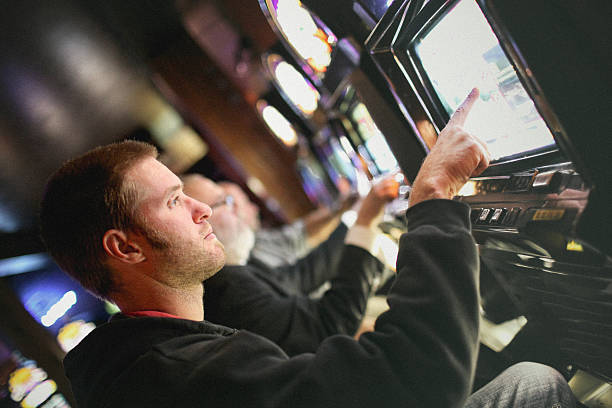
Throughout history, casinos have adapted to societal norms and legal frameworks. In the United States, the legalization of gambling in the early 20th century marked a significant turning point. Las Vegas emerged as the quintessential gambling city, transforming into a cultural icon. The glitz and glamour of casinos attracted millions, and their influence permeated music, film, and fashion, solidifying their place in popular culture. link
Today, the cultural influence of casinos extends beyond physical locations. Online gambling platforms have revolutionized access to casino games, allowing people worldwide to participate from the comfort of their homes. This shift has made gambling a more ubiquitous part of modern culture, blurring the lines between traditional and digital experiences.
The Economic Impact of Casinos
The economic influence of casinos on local and national economies is substantial. They create thousands of jobs, from casino staff to vendors and service providers, contributing to community development and growth. The influx of tourists seeking entertainment in gaming hubs brings revenue that supports various sectors, including hospitality and retail, underscoring the intertwined relationship between casinos and local economies.
Moreover, casinos contribute significantly to state revenues through taxes and fees. This financial support often funds public services such as education, healthcare, and infrastructure. As communities embrace casinos, they often see improved facilities and services, enhancing the quality of life for residents. However, this economic boon comes with its challenges, including concerns about gambling addiction and its social consequences.
Additionally, as casinos continue to proliferate globally, they create competition, which can lead to innovative practices aimed at attracting customers. This competition not only benefits the gambling industry but also influences other sectors to enhance their offerings, making it a driving force in modern economic landscapes. The balance between economic gain and social responsibility remains a critical conversation in assessing the overall impact of casinos.
The Social Dynamics of Casino Culture
Casinos have long been social hubs that bring people together, facilitating interactions across diverse demographics. They often serve as a space for celebrating milestones, from birthdays to weddings, reinforcing social bonds through shared experiences. The atmosphere in casinos is designed to foster engagement, with amenities such as restaurants, bars, and entertainment options contributing to a vibrant social scene.
In many cultures, gambling is perceived as a communal activity, with friends and families gathering to play together. This collective aspect of casino culture helps in dispelling the stigma often associated with gambling, positioning it instead as a recreational pastime. However, it also raises questions about responsible gambling and the potential risks associated with excessive participation.
Furthermore, the rise of online casinos has altered the landscape of social interactions. While traditional casinos encourage face-to-face encounters, online platforms provide opportunities for socialization through virtual chats and multiplayer games. This evolution reflects changing social dynamics, where technology plays a crucial role in connecting individuals in a digital age. Nonetheless, it also highlights the need for maintaining healthy interactions amidst the allure of anonymity online.
The Artistic Influence of Casinos
Casinos have significantly influenced various art forms, inspiring countless artists, musicians, and filmmakers. The glitzy aesthetic of casinos, combined with the narratives surrounding gambling, creates a rich tapestry for creative expression. Classic films such as “Casino” and “Ocean’s Eleven” portray the allure and danger of the gambling world, captivating audiences and solidifying the casino’s place in cinematic history.
Musicians have also drawn inspiration from casino culture, with songs that evoke the thrill of gambling. The imagery of dice, cards, and the vibrant atmosphere of casinos have found their way into lyrics and performances. Additionally, many famous musicians perform in casinos, creating a unique blend of entertainment that enhances the allure of these venues.
Moreover, casinos often invest in art installations and performances to enrich the visitor experience. By collaborating with artists and performers, casinos create an immersive environment that attracts patrons and promotes the arts. This dynamic relationship showcases how casinos are not just places for gambling but also cultural institutions that celebrate creativity and artistic expression.
The Role of Online Casinos in Modern Society
The emergence of online casinos has dramatically altered the gambling landscape, offering unprecedented accessibility and convenience. With just a click, players can explore a vast array of games, from traditional table games to innovative slot machines, all from their personal devices. This shift has democratized gambling, allowing individuals who may not have easy access to physical casinos to participate in the excitement.
Online casinos have also redefined social interaction within the gaming community. Players can connect with others across the globe, participate in live dealer games, and engage in online forums, creating a sense of belonging. This community aspect helps to mitigate feelings of isolation that can sometimes accompany gambling, fostering camaraderie among players.
However, the rise of online gambling has sparked discussions around regulation and responsible gaming. Concerns regarding addiction, financial loss, and the potential for underage gambling have prompted calls for stricter oversight. The evolving nature of online casinos necessitates ongoing dialogue about the balance between innovation, accessibility, and societal responsibility.
Conclusion and Insights on the Cultural Influence of Casinos
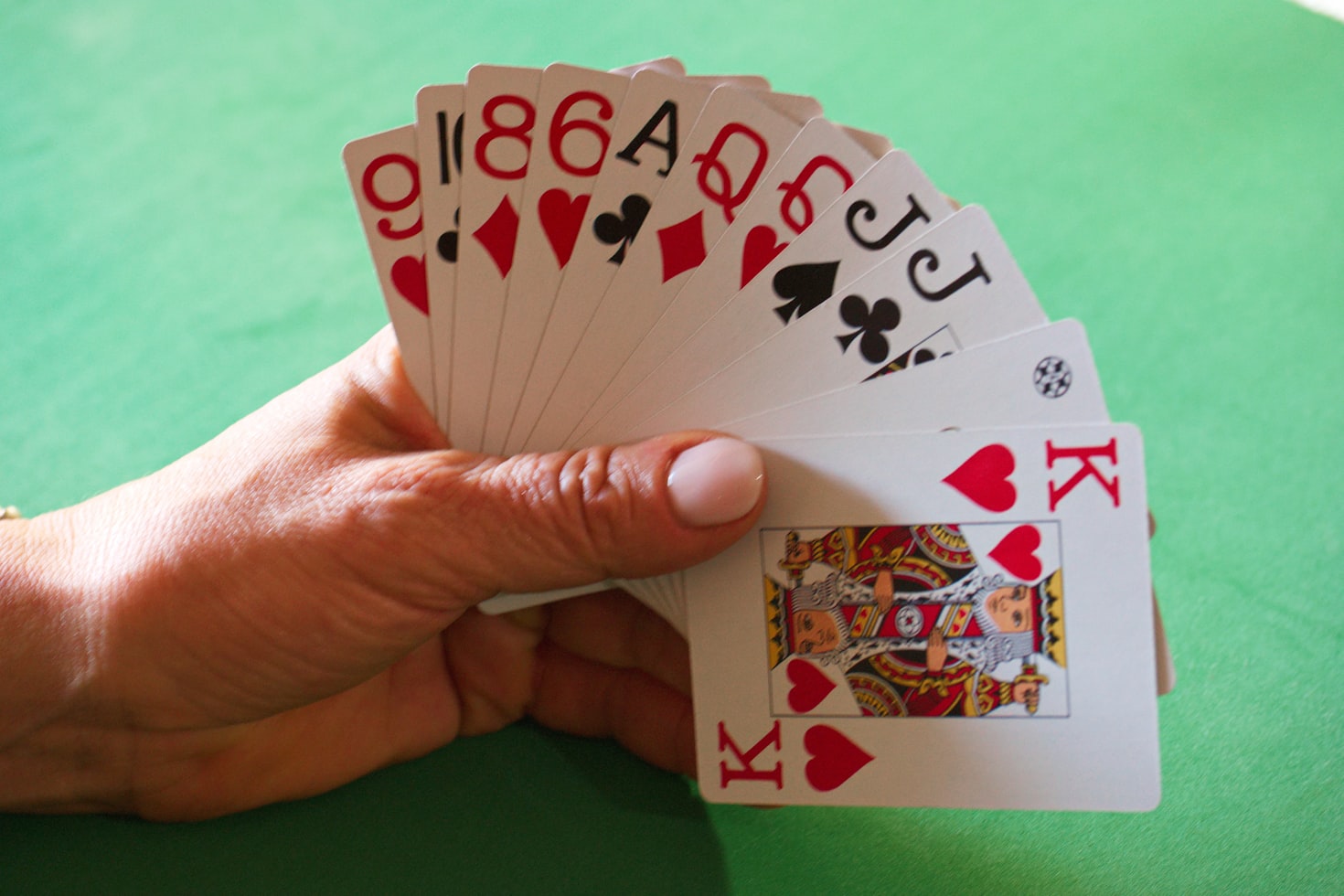
The cultural influence of casinos on modern society is multifaceted, encompassing historical, economic, social, and artistic dimensions. From their origins as social gathering spots to their evolution into sprawling entertainment complexes and online platforms, casinos have left an indelible mark on contemporary culture. They serve as reflections of societal values, economic trends, and artistic expressions, shaping how individuals perceive leisure and entertainment.
As we navigate this complex landscape, it is crucial to consider the implications of gambling on individuals and communities. Striking a balance between celebrating the excitement of casinos and acknowledging the risks associated with gambling is essential. The ongoing dialogue surrounding the cultural influence of casinos will continue to evolve, adapting to societal changes and technological advancements.
For those interested in exploring the world of casinos further, various online platforms offer valuable resources and experiences. Engaging with these platforms can provide insights into the exciting realm of gaming while promoting responsible participation. Understanding the cultural dimensions of casinos enriches our appreciation of their role in modern society and highlights the importance of navigating this landscape thoughtfully.